
 |
Eli Gardner journeys into the dark
palace of Lecumberri jail in Mexico
City through Gonzalo Lizardo’s
narrative of crime and punishment,
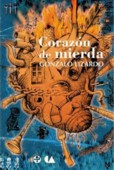
Corazón de mierda
Corazón de mierda
Gonzalo Lizardo
2007, Ediciones Era/CNCA
128 pages

Reviewed by Eli Gardner
LECUMBERRI PRISON, whose design was inspired by a great English intellectual and university founder, Jeremy Bentham, was once known as “the dark palace” of Mexico City. All types of prisoners have passed through its halls, from the famous muralist David Siquieros, to political leaders such as Demetrio Vallejo, to thousands of nameless criminals who languished, for seemingly petty crimes, in what is now one of Mexico’s national archives. In his brief novel, Lizardo recreates the story of Fidel Robera Ríos (whose fictionalised name becomes Ricardo Olmeda Ríos), a drug czar from Zacatecas who controlled much of the drug trade in Mexico City (especially within the penitentiary) during the 1950s.
The author, also from Zacatecas, uses Candingas, one of Ricardo’s disciples, to tell us of Olmeda’s escapades, while we also learn of Candingas’ not-so-slow descent into the world of delinquency – with all of its responsibilities and punishments. Candingas, the child of a single mother who is too busy working and entertaining a never-ending string of no-good boyfriends, receives little attention from his family and finds more popularity with a gang of criminals led by Ricardo Olmeda because of his uncanny ability to open locks. The group lives a life of crime – which from the outset is highly idealised – fast and hard, earning them a quick trip to Lecumberri prison. However, far from reforming them, jail just forces them to organise in a different way, and they are soon doing the same work in the inside that they would have on the outside, with many of the same, tragic consequences.
Cottage industry run by gangs
The gang makes its main profits from the drug trade and this story is set in a time when, as the author mentions, drugs were not the same globalised phenomenon that they are today. The drug trade portrayed here is more of a cottage industry run by local gangs and mafias that exert their power and influence in ways one would expect: bribes, death, prostitution, and so forth. This way of life is seen as glamorous. Ugly men are sought after by beautiful women, addiction is glorified (with characters developing then breaking the habit with incredible ease) and the inmates seem to enjoy a genuine camaraderie. To a certain extent, it is all fun and games, with life in prison likened to movies such as Jail House Rock; however, neorealist movies like The Young and the Damned by Luis Buñuel are shunned by the protagonists. The characters are keener on escapism than grittiness. They want all of the glory and none of the harsh reality that comes with their line of work.
As a re-creation of Mexico City and its famous prison from the 1950s, this book is an enjoyable experience. In some ways it breaks certain unspoken taboos with regard to drug use – the characters seem to be enjoying their experience as delinquents – but it could be argued that most of the people running the show wind up dead, a normal consequence of the life they were leading.
Gonzalo Lizardo himself has described the novel as one which taps into the Spanish “picaresca” tradition: a narration in which a rogue tells the reader of his not-so-savoury adventures during his descent down the rungs of society. Whether or not this is truly a “novela picaresca” depends on the judgement of the reader and how he measures success and degradation.
Corazón de mierda is an intriguing and enjoyable read, of interest to anyone who might be attracted to Mexico and narratives of crime and punishment.
Eli Gardner is a scholar of Mexico and Latin America
Categories: Mexico, North America